Understanding Customer Relationship Management: How to Choose the Best Solution for Your Group
In today's fast-paced commercial landscape, forming and sustaining strong relationships with clients is crucial now more than ever. CRM has emerged as a key element for businesses looking to enhance their engagements and boost overall satisfaction. With crm software of CRM tools available on the platform, companies face the challenge of selecting the right tool that matches with their particular needs and goals.
Choosing the best CRM can feel intimidating, especially with the varied capabilities and different price points. Nonetheless, understanding your staff's expectations and the dynamics of your client engagements is essential to crafting an informed decision. This resource will help you maneuver through the options at your disposal, ensuring that you supply your staff with the right CRM solution to promote involvement and drive expansion.
Grasping Customer Relationship Management Principles
Customer relationship management serves as a method that companies employ to oversee relationships with existing and potential customers. This involves utilizing data analysis to improve comprehend customer requirements and behaviors, that can cause enhanced relationships and increased sales. A CRM tool assists organize customer data, allowing for teams to access and share insights that can boost customer service and optimize communication.
Customer Relationship Management platforms are available in various types, spanning simple applications that handle contacts to complex systems which work with additional business applications. These tools can be cloud-based or on-site, delivering different functionality suited for different types of companies. Understanding the specific demands of your organization and the sector you operate in is crucial in deciding what form of CRM tool will be the most efficient.
Eventually, the objective of customer relationship management is to cultivate customer loyalty by means of improved engagement and support. Through effective use of a CRM system, organizations can not only track customer interactions but also anticipate future requirements and tailor their services accordingly. This congruence between customer expectations and organizational offerings is crucial to creating long-lasting relationships.
Key Features to Look For
When selecting a CRM solution, user-friendliness should be a top priority. A CRM tool that features an intuitive interface can greatly reduce the learning curve for your team. Look for features that allow easy navigation, straightforward data entry, and a concise dashboard that provides a clear overview of customer interactions. The easier it is for team members to embrace the system, the more likely they are to use it efficiently.
The ability to customize are also important in a CRM. Every business has unique processes and customer interactions. The ability to tailor the CRM to fit your specific workflows, fields, and reporting needs can greatly enhance its efficiency. Check if the tool offers customizable templates for email communications, data entry forms, and reports, as well as options to create personalized fields that suit your organization’s requirements.
Lastly, integration is vital to maximizing the potential of your customer relationship management solution. Your CRM should smoothly connect with other tools your team already uses, such as email platforms, marketing tools, and online sales systems. This connectivity helps create a comprehensive view of customer data and enhances communication across teams, leading to better decision-making and enhanced customer experiences.
Reviewing Your Team's Needs
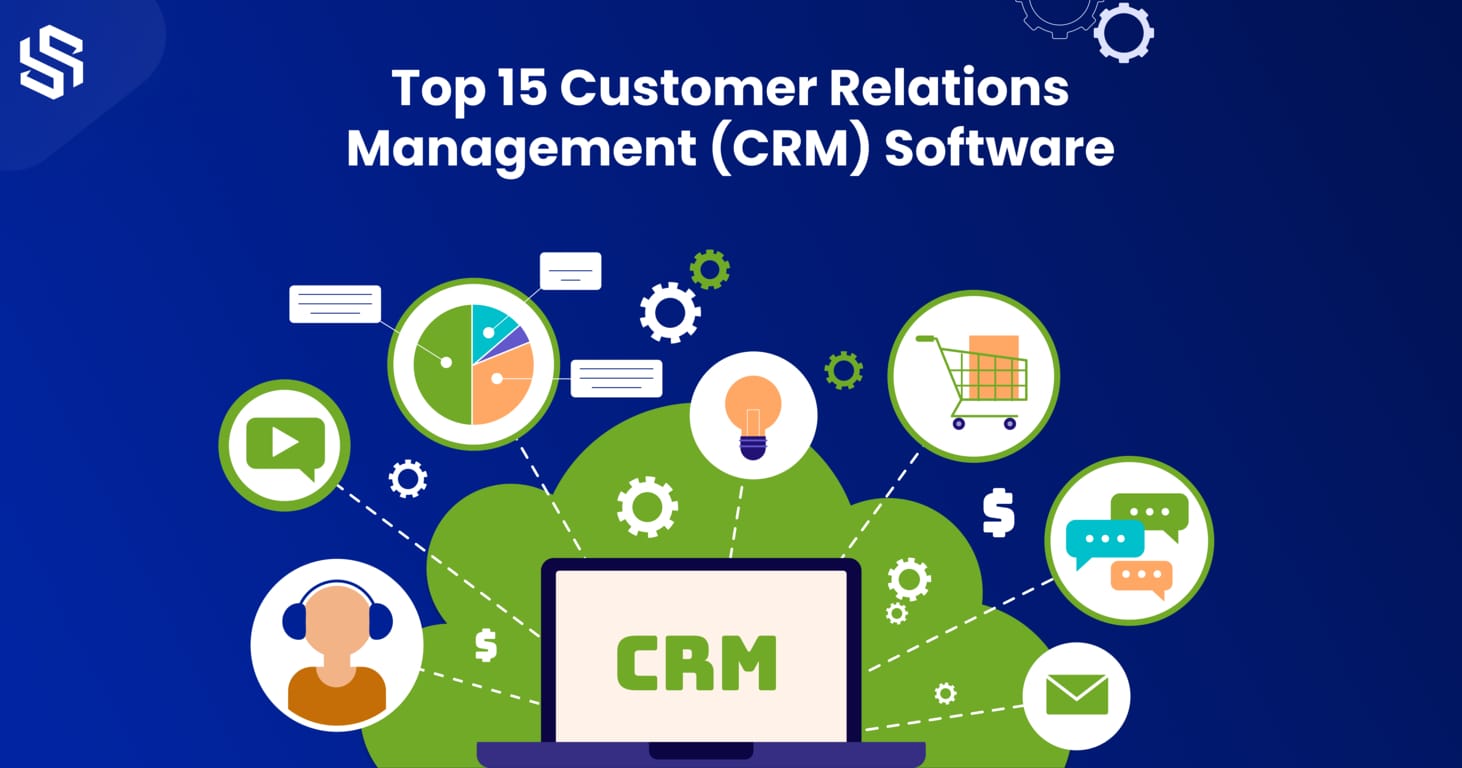
Understanding your team's particular needs is crucial when selecting a CRM solution. Start by determining the primary features that your team requires the CRM to support. This may include managing customer communications, tracking business prospects, or automating marketing activities. Involving your team in discussions will provide understanding into their daily challenges and preferences, ensuring that the selected tool fits with their working style.
Next, consider the scale of your team and how it may expand in the coming years. A compact team might profit from a concise, user-friendly CRM that provides basic features without confusing complexity. In comparison, bigger teams may demand more comprehensive solutions with enhanced customization options and compatible integrations. Assessing current and anticipated growth will aid you decide on a tool that can adapt with your company.
To wrap up, think about the extent of technology familiarity within your team. Some participants may be more experienced with digital solutions, while others may need extra support. Opt for a CRM with a user-friendly interface and adequate training materials to enable smooth onboarding. By factoring in these elements, you can ensure that the adopted CRM not only addresses your team's needs but also enhances their output and satisfaction.